
Rss Feeds (1161)
Mid-Michigan Bonsai Message Corner
The next MMBC Meeting is May 21st, 2026 at the Foster Community Center, Room 109, at 6:30pm (gathering time) - 8:30pm.

- Category: Rss Feeds
- Created: 22 June 2018
- Written by:
Back in February I potted up around 60 bare-root satsuki azalea bonsai. Having not worked with bare-root specimens before, I was really curious to see how the trees would do with so few roots.
- Category: Rss Feeds
- Created: 19 June 2018
- Written by:
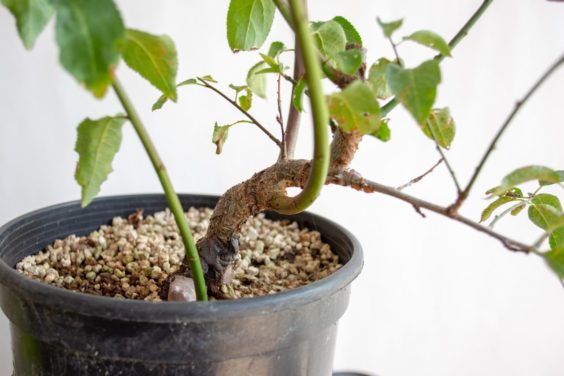
When developing material for bonsai, it’s best to avoid creating straight trunks and branches. Many varieties, however, naturally produce straight growth. This gives us two options: cut or wire.
- Category: Rss Feeds
- Created: 15 June 2018
- Written by:
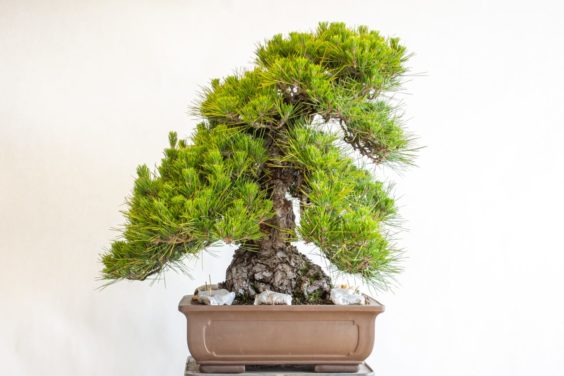
I’ve been working on an old cork-bark black pine since 2004. The tree has improved a lot over the years, but it still has a ways to go. The main focus at this stage is increasing the branch density.
- Category: Rss Feeds
- Created: 12 June 2018
- Written by:
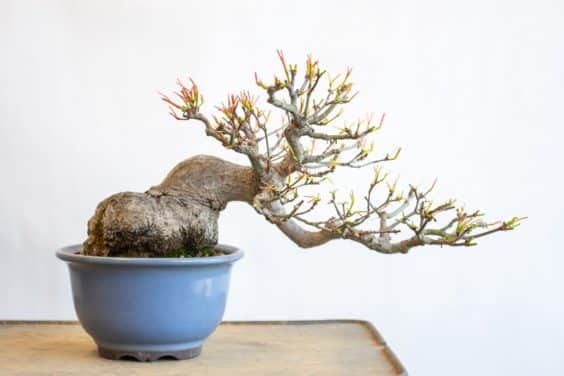
I fully defoliated a shohin Japanese maple about six weeks ago. Here’s what the tree looked like after removing all of the leaves.

- Category: Rss Feeds
- Created: 08 June 2018
- Written by:
Seeing a note on my calendar to finish decandling a pine, I headed outside and brought the pine below into the workshop.

- Category: Rss Feeds
- Created: 05 June 2018
- Written by:
The 45th Upstate New York Bonsai Exhibition was successfully held on May 19-20, 2018 at the Monroe Community Hospital in Rochester, New York. Nearly 100 bonsai were displayed by members of the Bonsai Society of Upstate New York Inc. The Rochester chapter of Ikebana International presented a display of their flower arrangements. The Suiseki Study Group of Upstate New York also had a display their members’ stones. A bonsai demonstration was held on Saturday afternoon, while senior teachers from the ikebana society demonstrated on Sunday afternoon. A large sales area featured bonsai, pre-bonsai, display tables, tools, wire, supplies and more.

- Category: Rss Feeds
- Created: 05 June 2018
- Written by:
In general, we can expect black and red pines to produce a single flush of growth all year. If we remove this growth at the right time, we can expect a second flush to grow in the same calendar year.