
A few of the ridiculous trees in Part I of the Kokufu-ten. Wednesday was the take-down and switch-out to new trees. And now it’s open again for Part II.
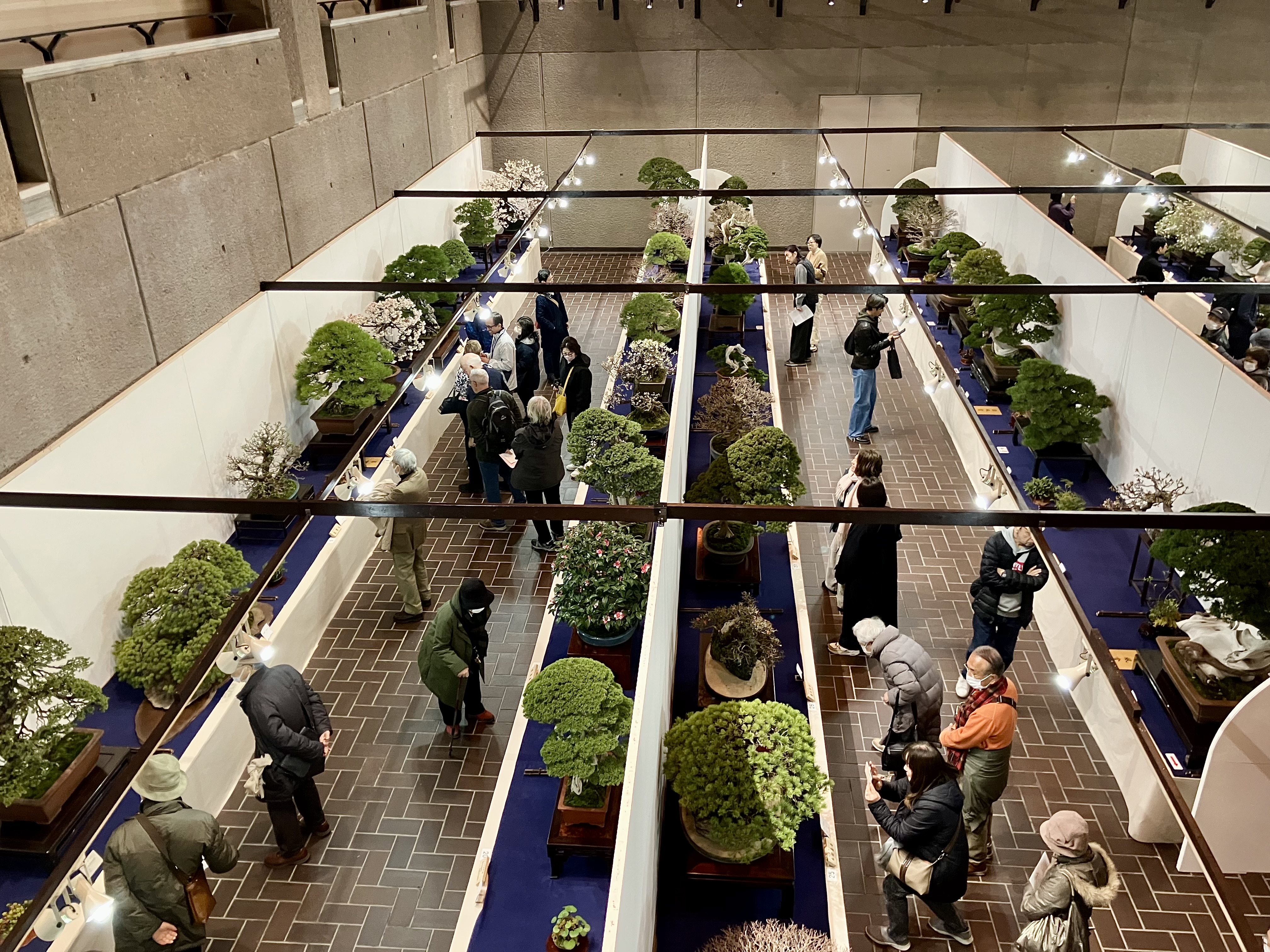
The entrance to the show looks down on the large displays. This is in the Tokyo Metropolitan Art Museum in Ueno. This view gives a sense of the scale and impact these huge trees might have only a few feet away.
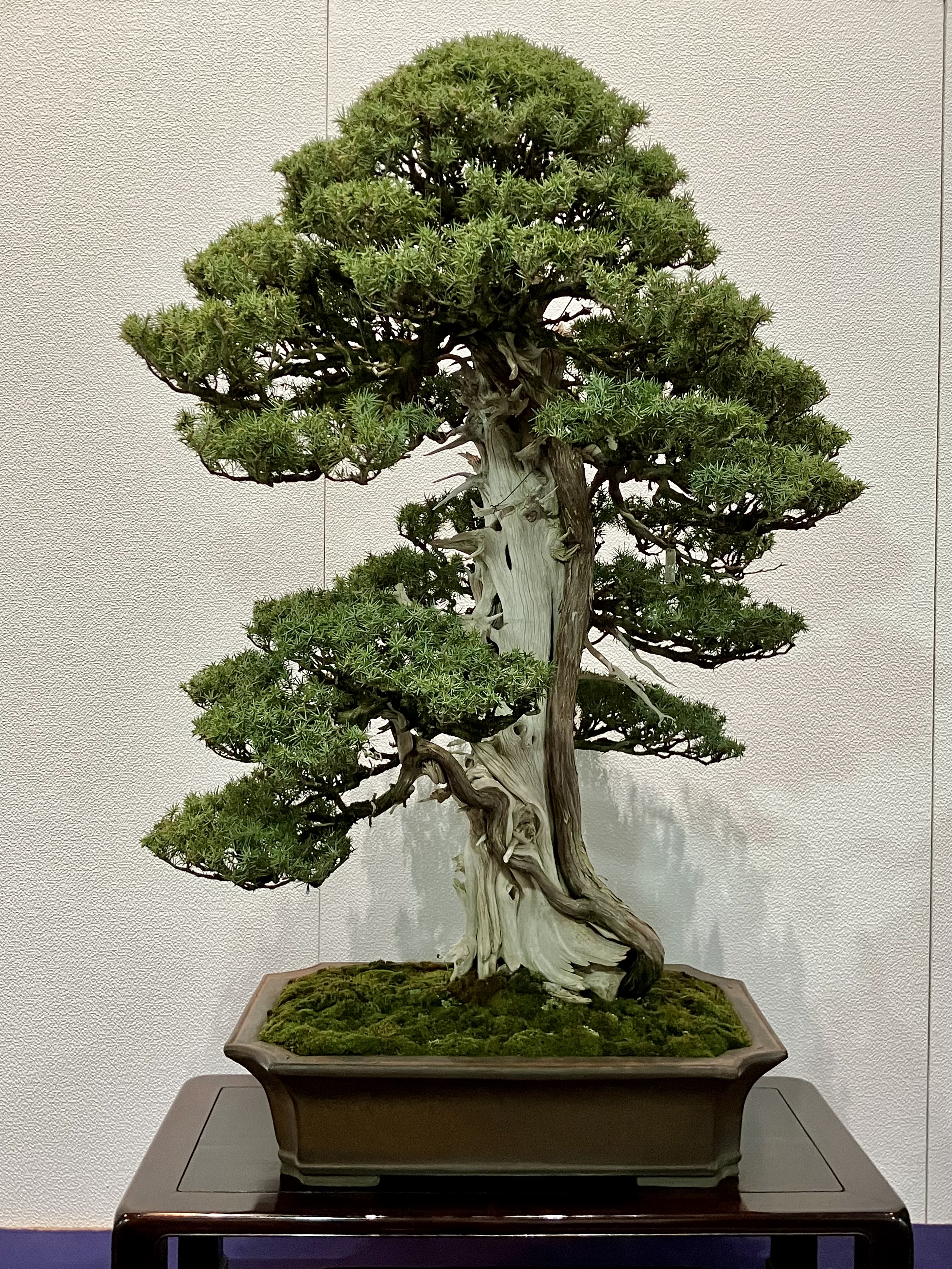
Needle Juniper. A well-known juniper making an appearance in the 100th Kokufu.
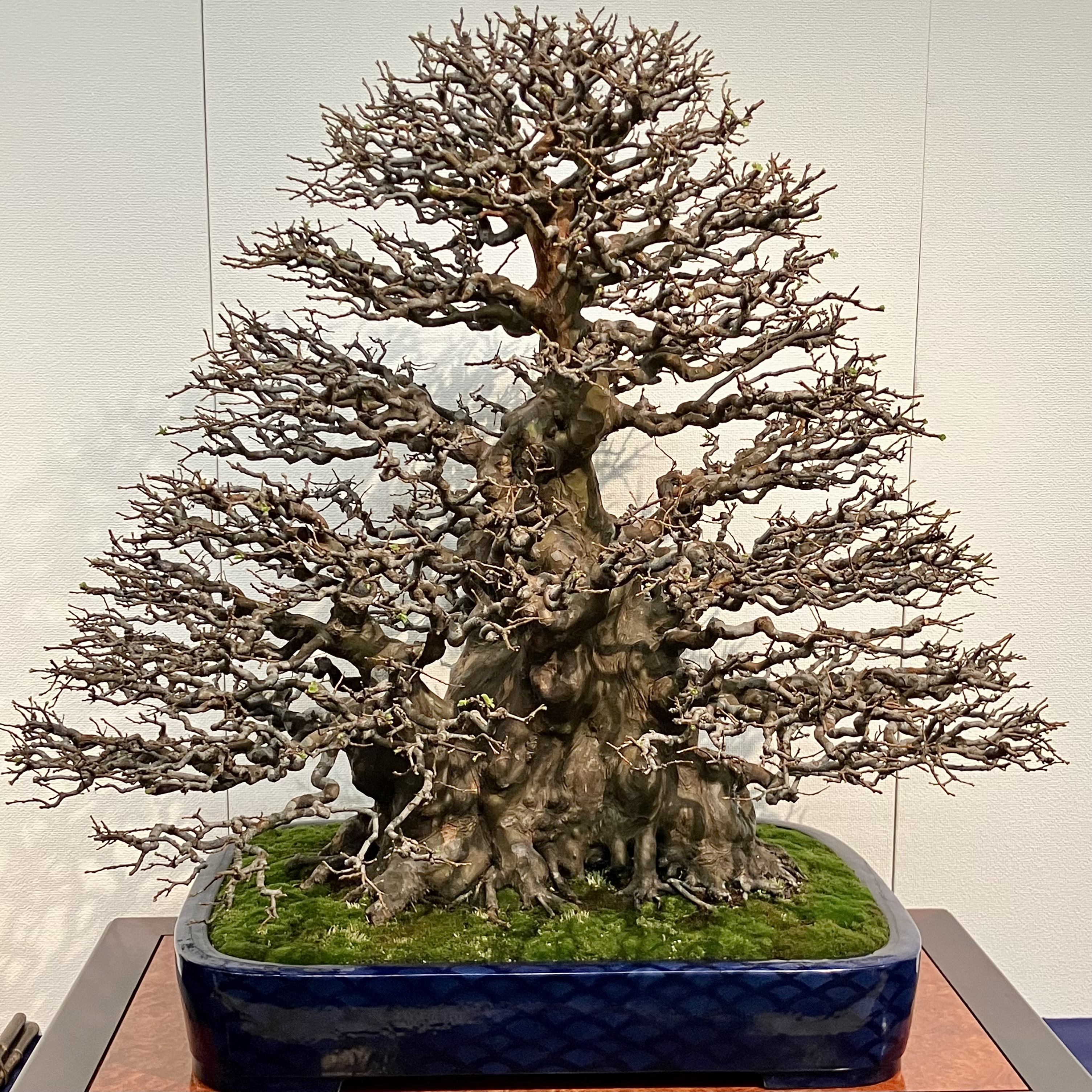
Chinese Quince. Every last twig had once been wired on this massive specimen.
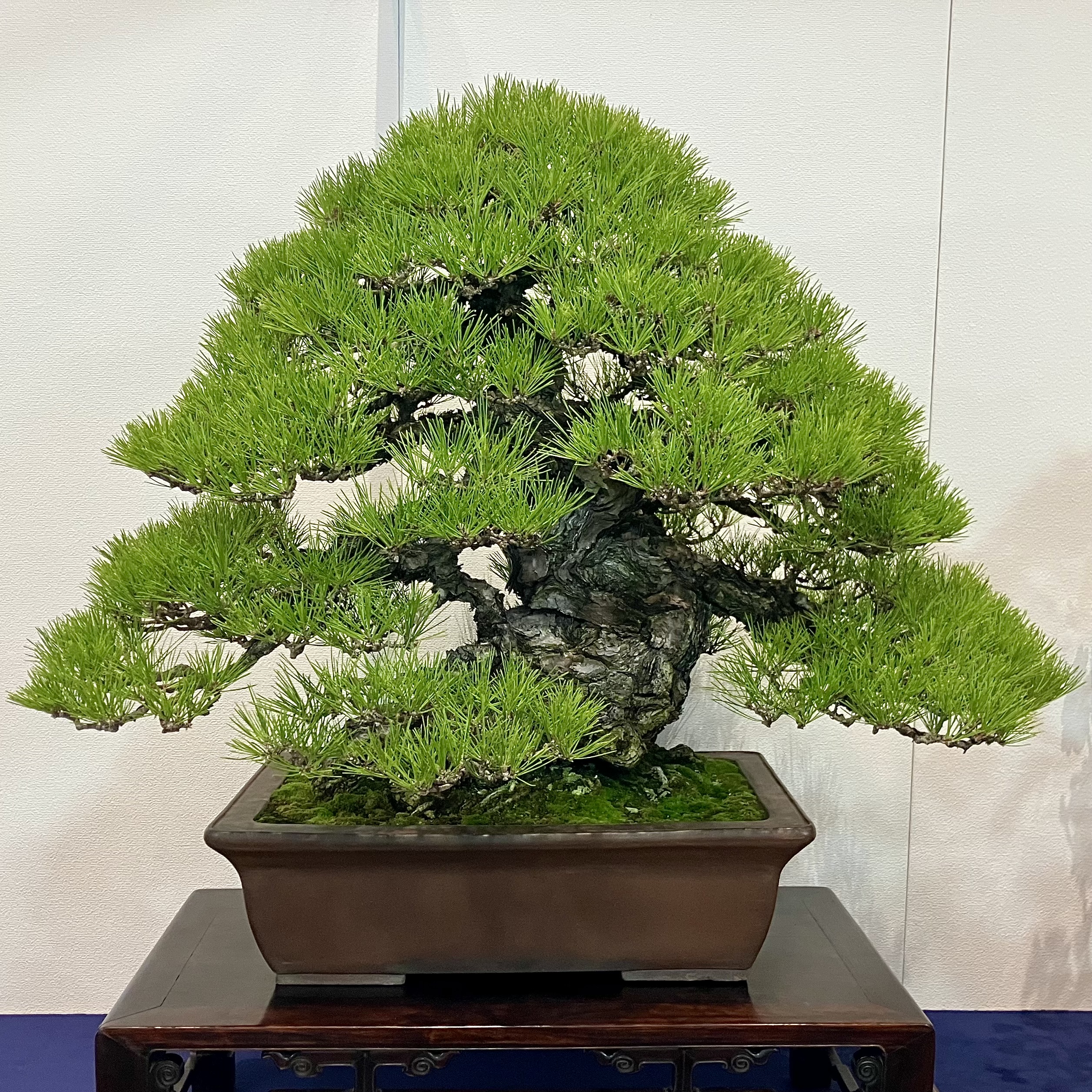
Japanese Black Pine; Kokufu Prize. Huge tree.
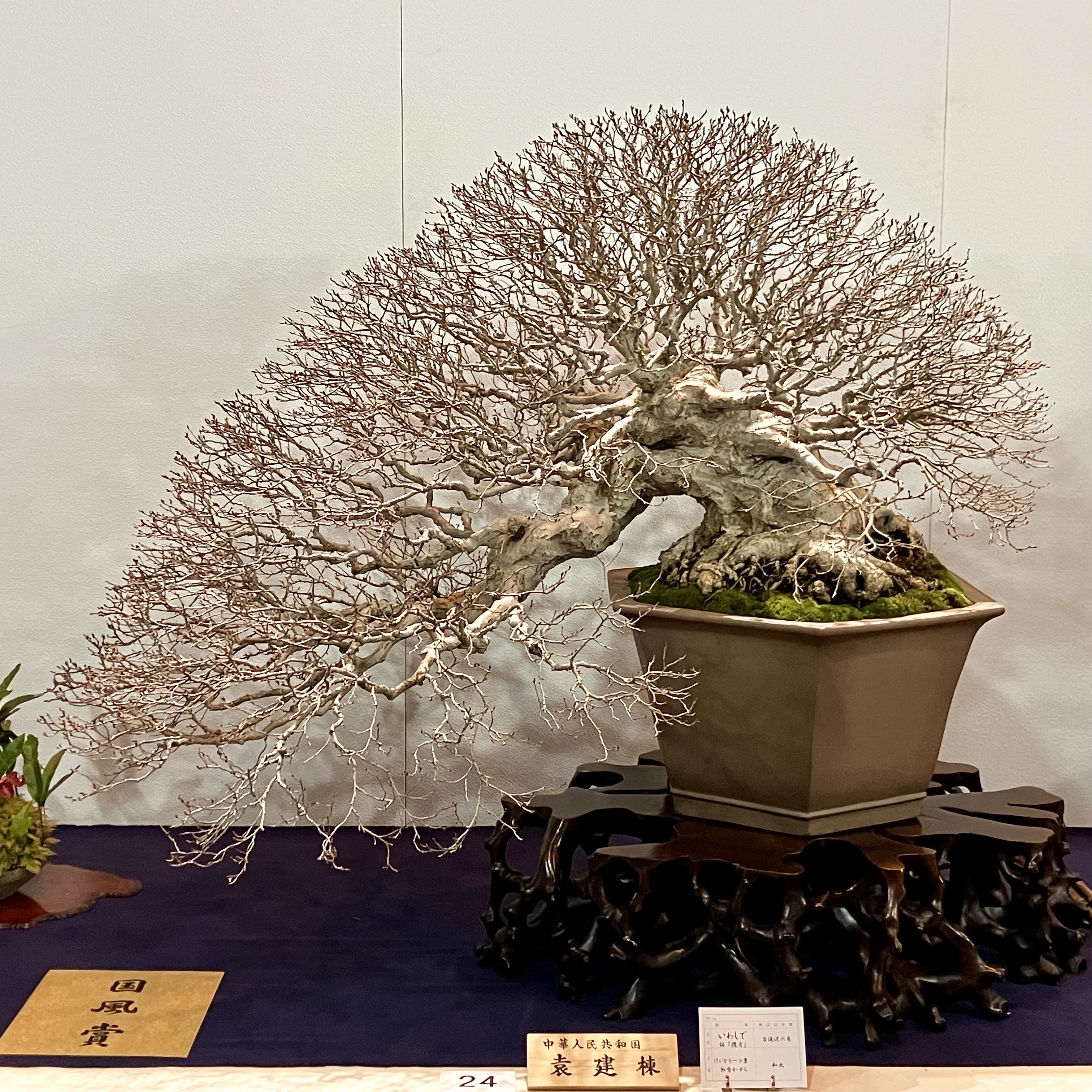
Korean Hornbeam; Kokufu Prize.
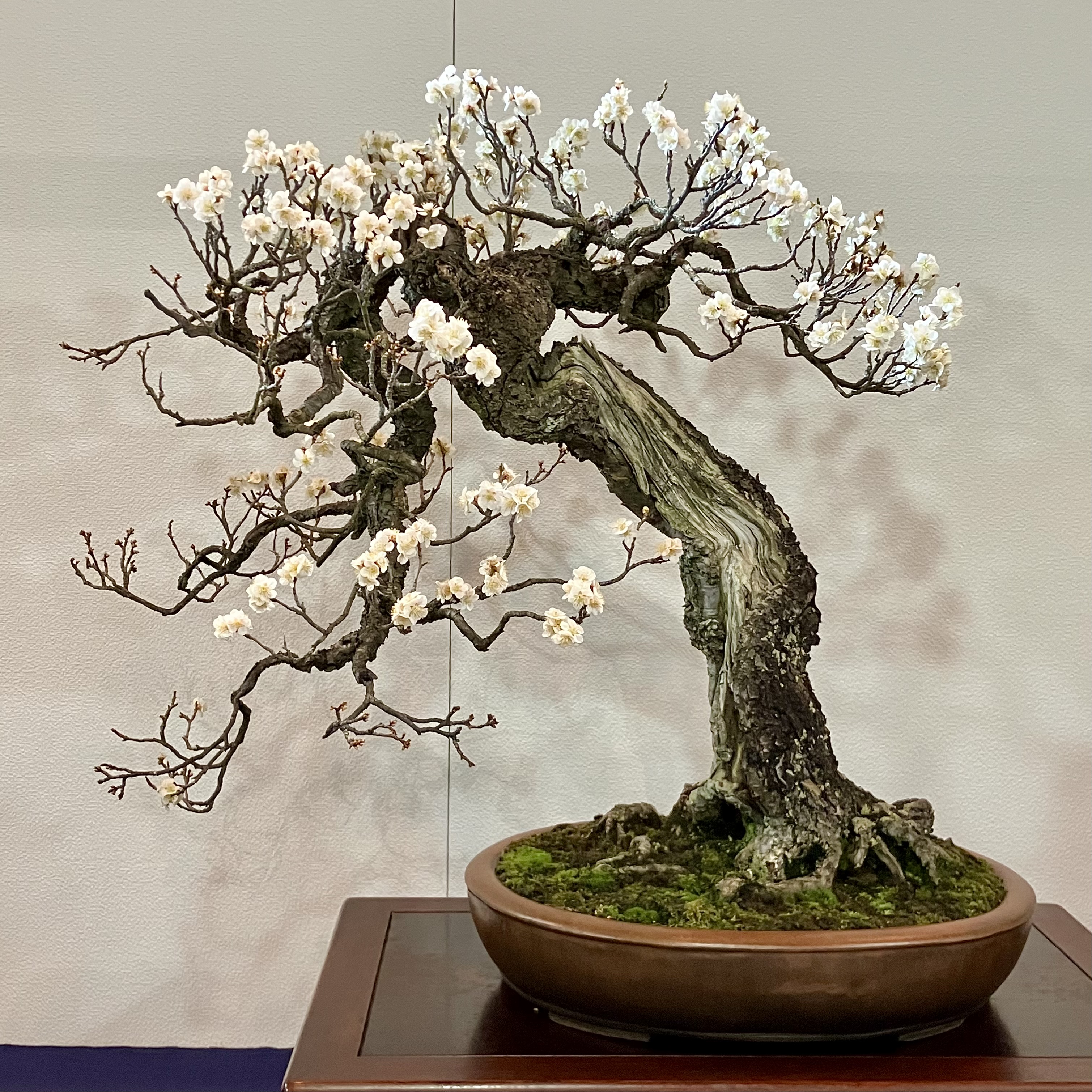
Ume. Excellent Ume in this year’s show.
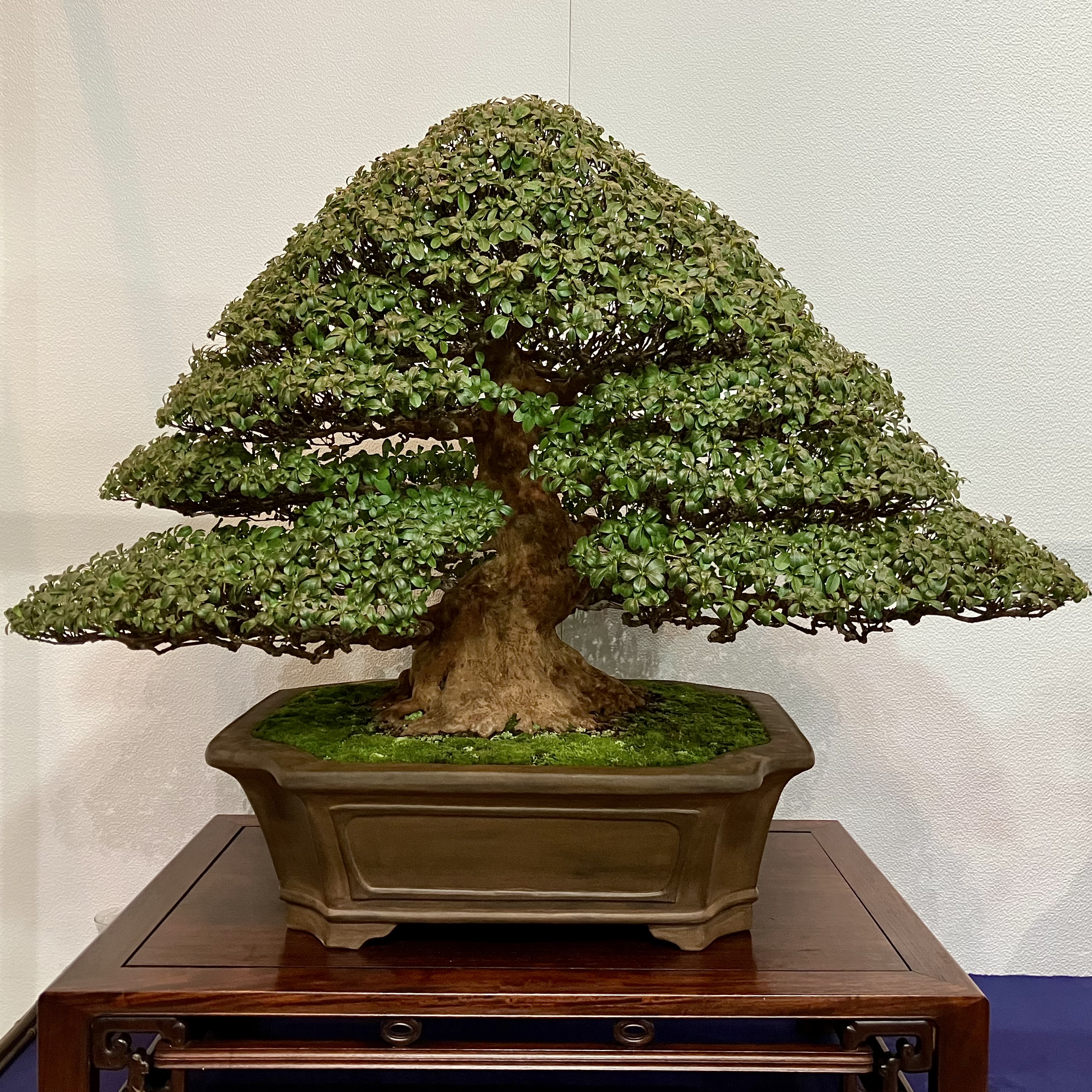
Satsuki Azalea.
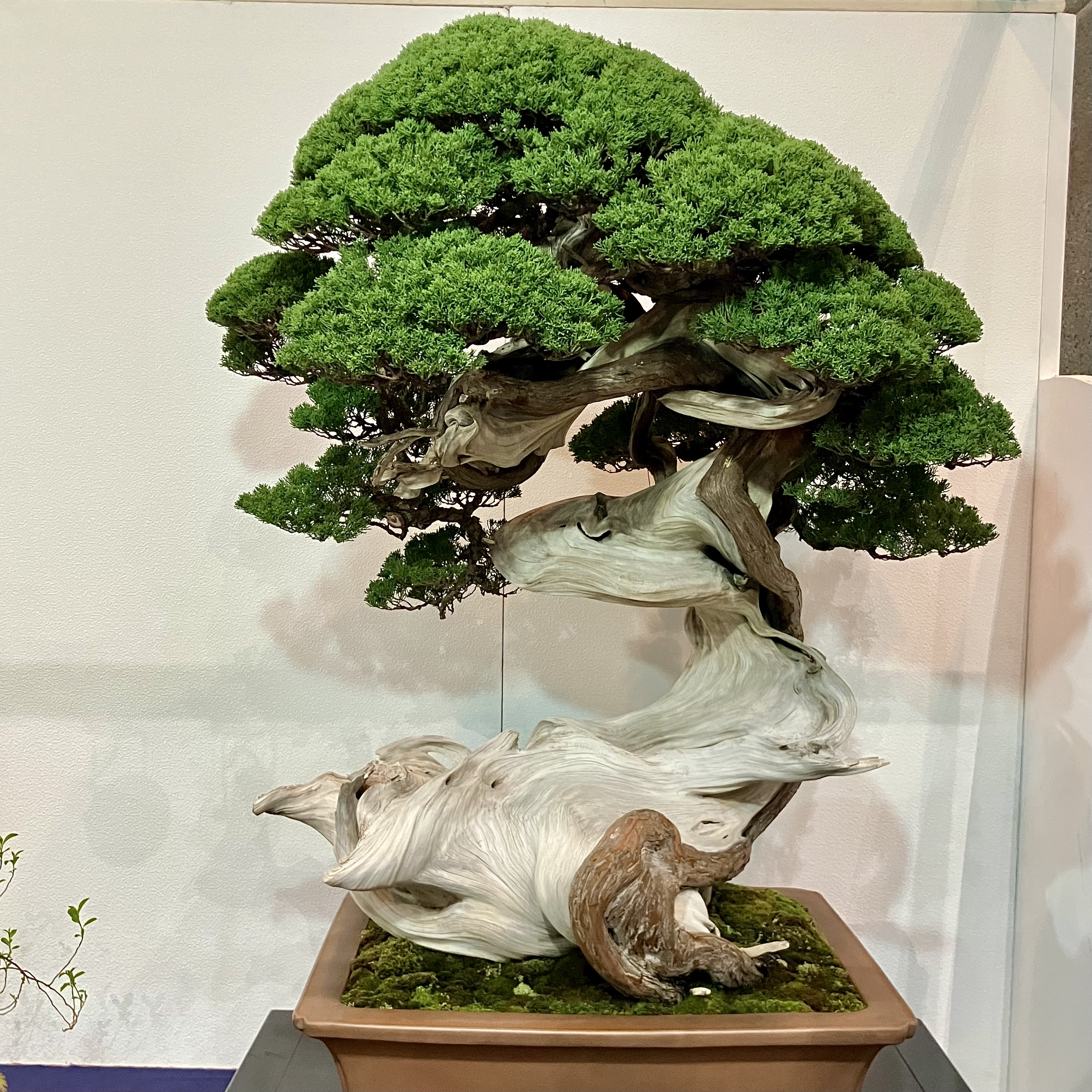
Shinpaku Juniper; Kokufu Prize.
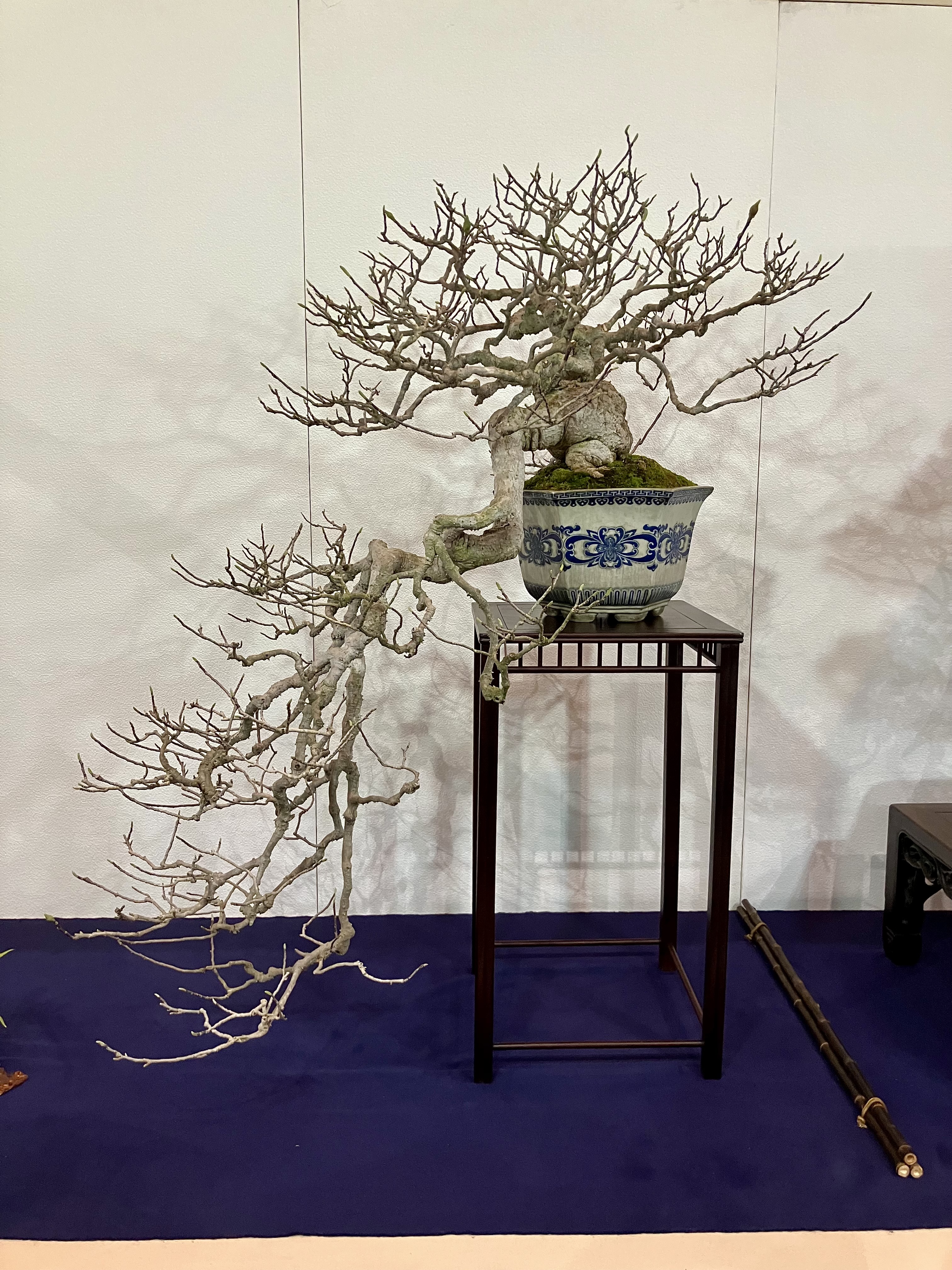
Magnolia. Resets the tone with an airy whimsicality.
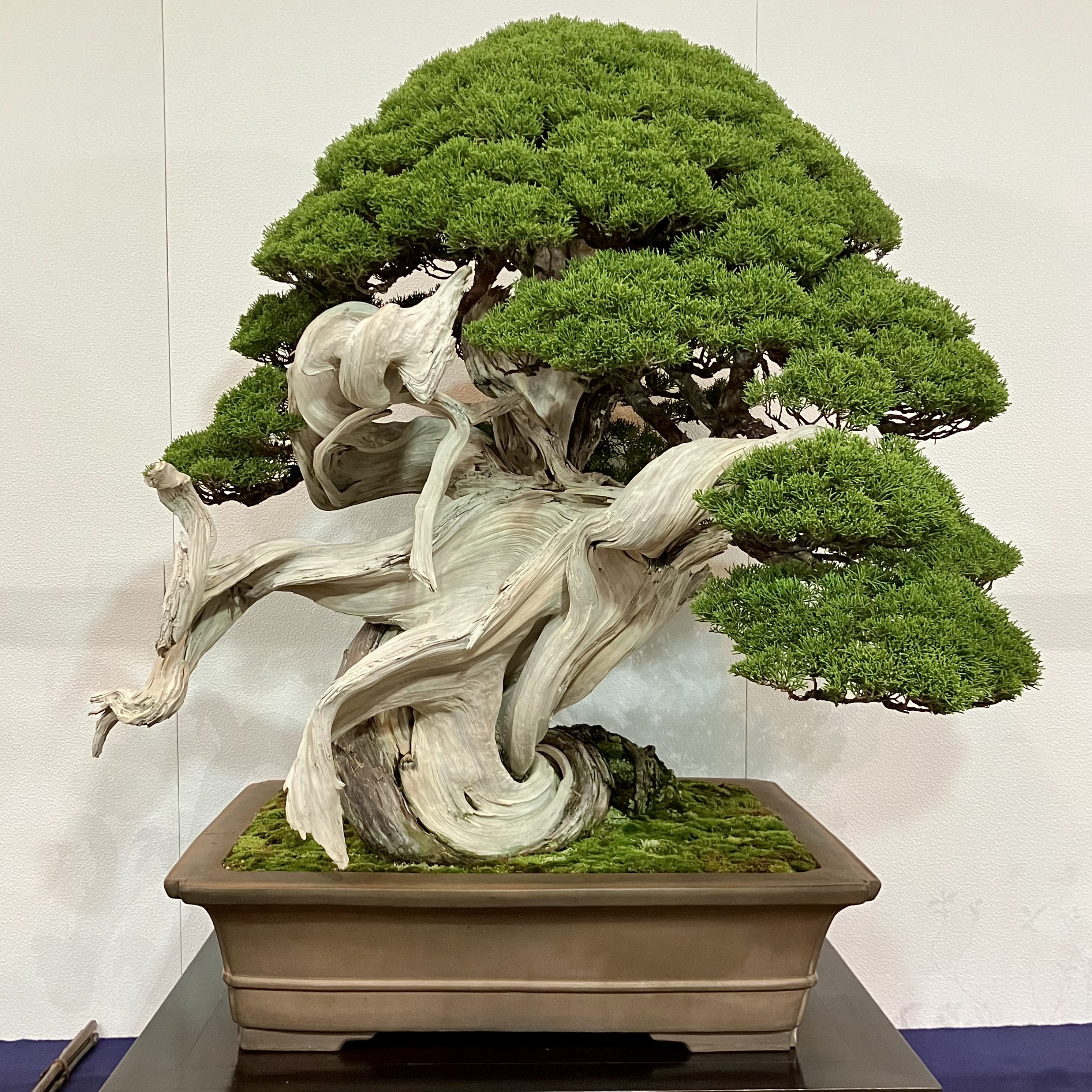
Shinpaku Juniper; Kokufu Prize.
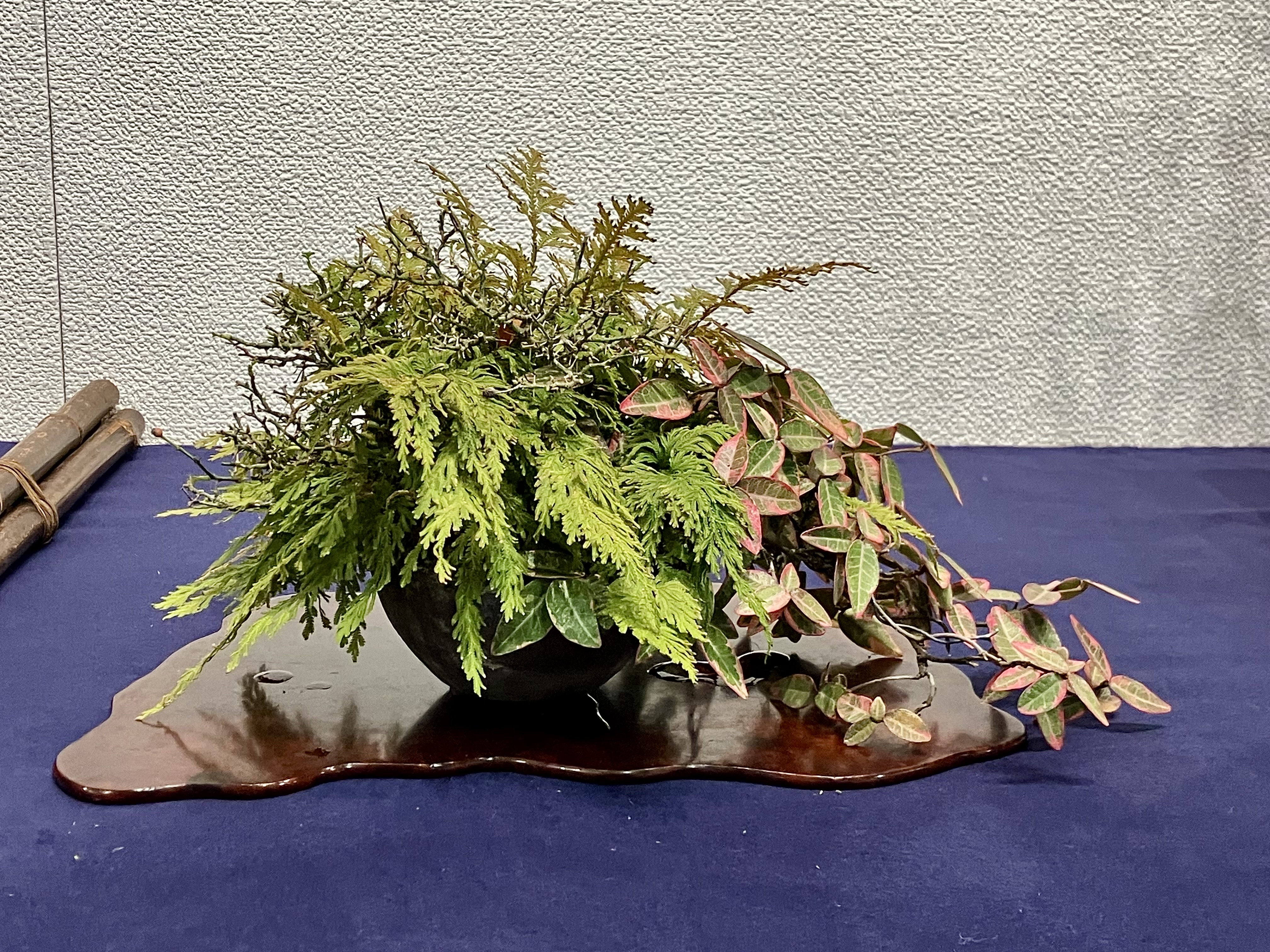
Selaginella, or club moss (light green plant).
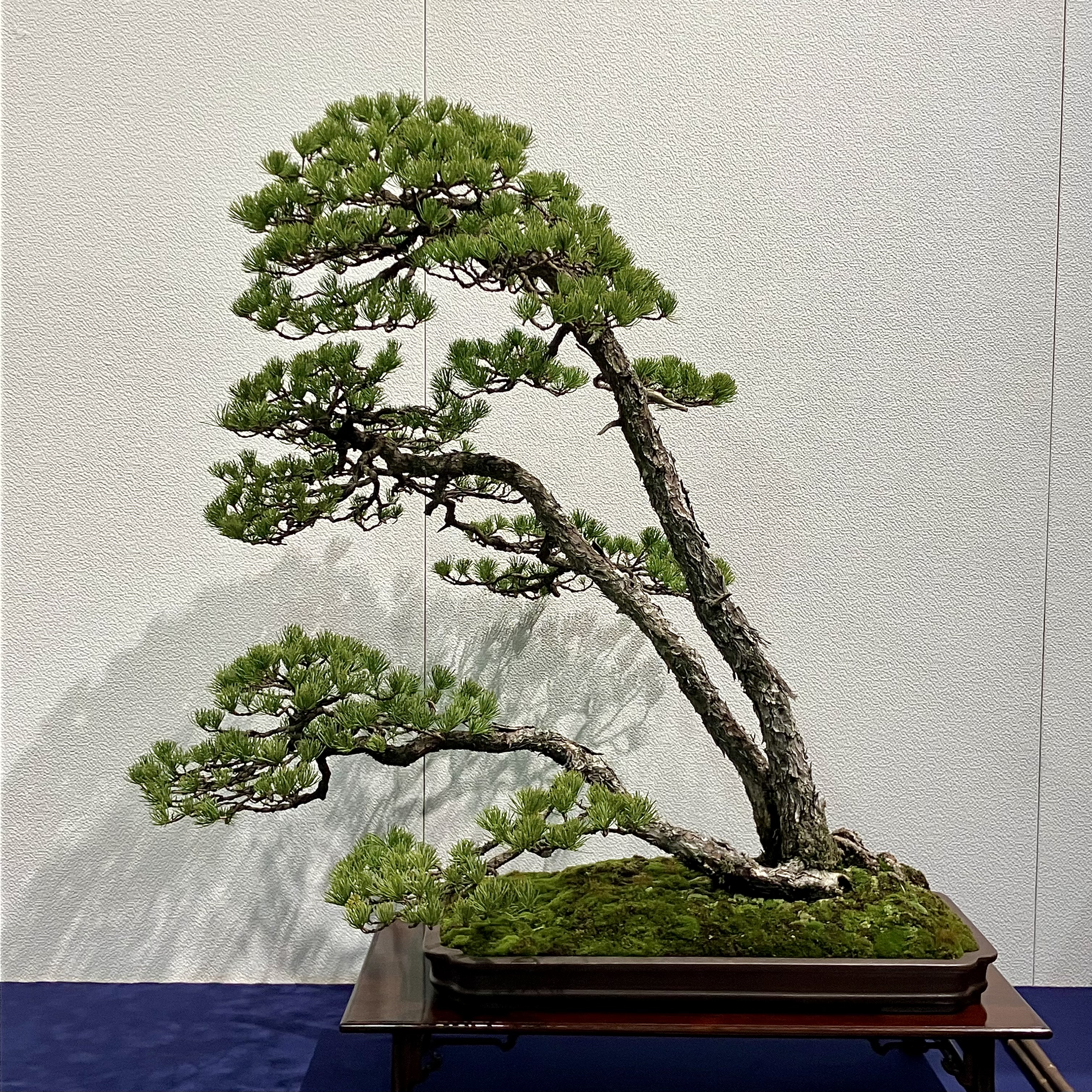
Japanese White Pine. A quiet multiple-trunk bunjin. The Kokufu highlights thicker-trunked trees.
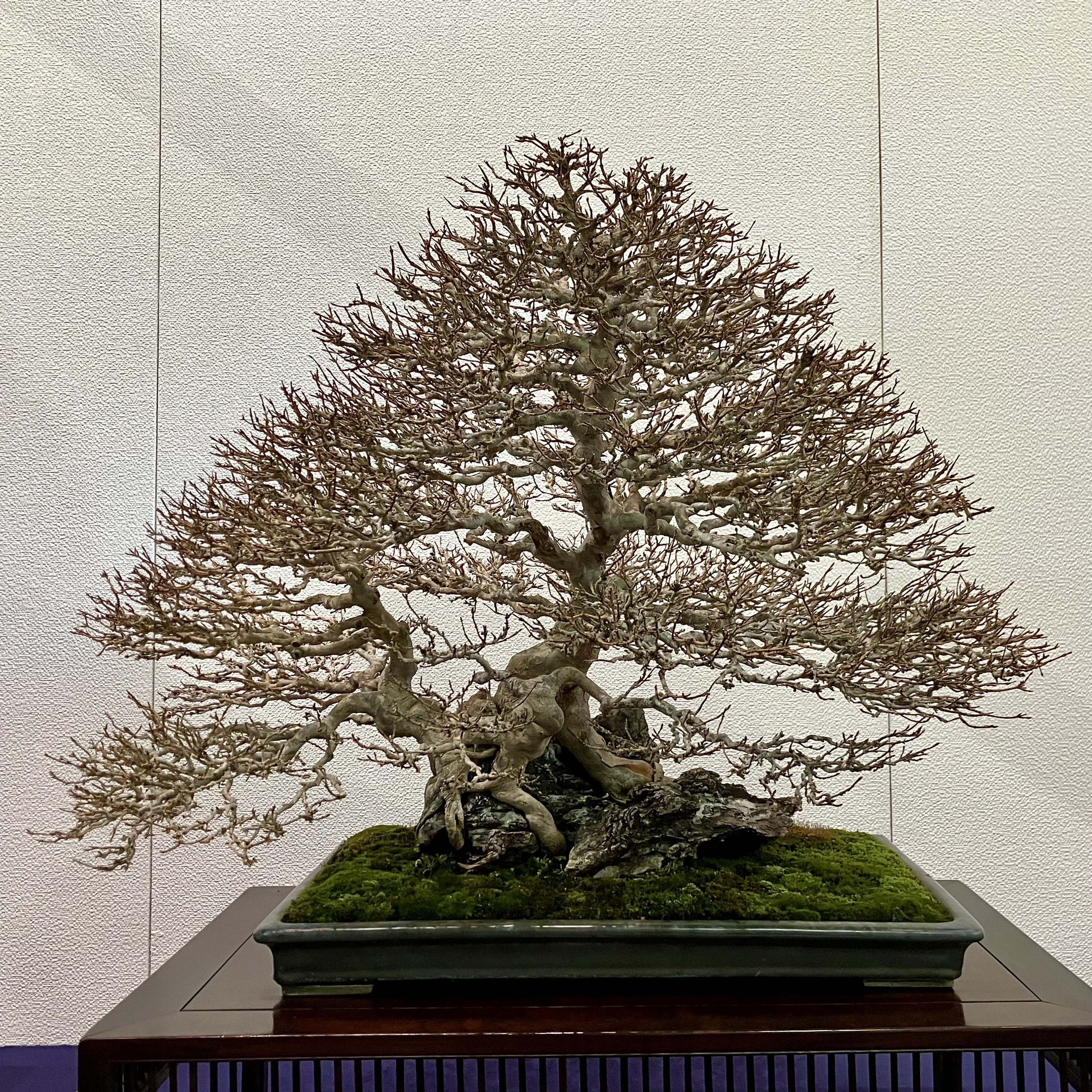
Trident Maple. Grown in a small pot it’s whole life, maybe 75 years.
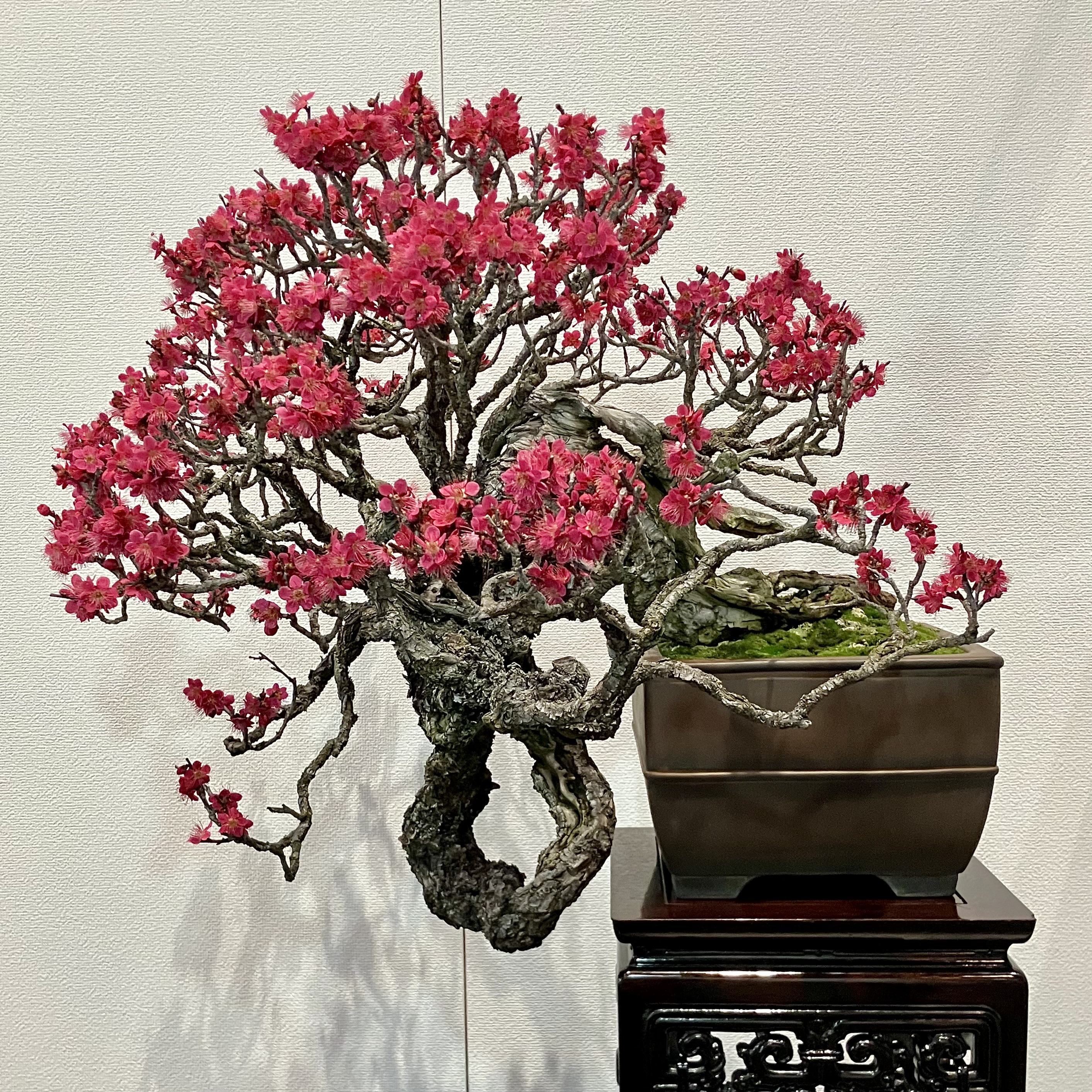
Ume.
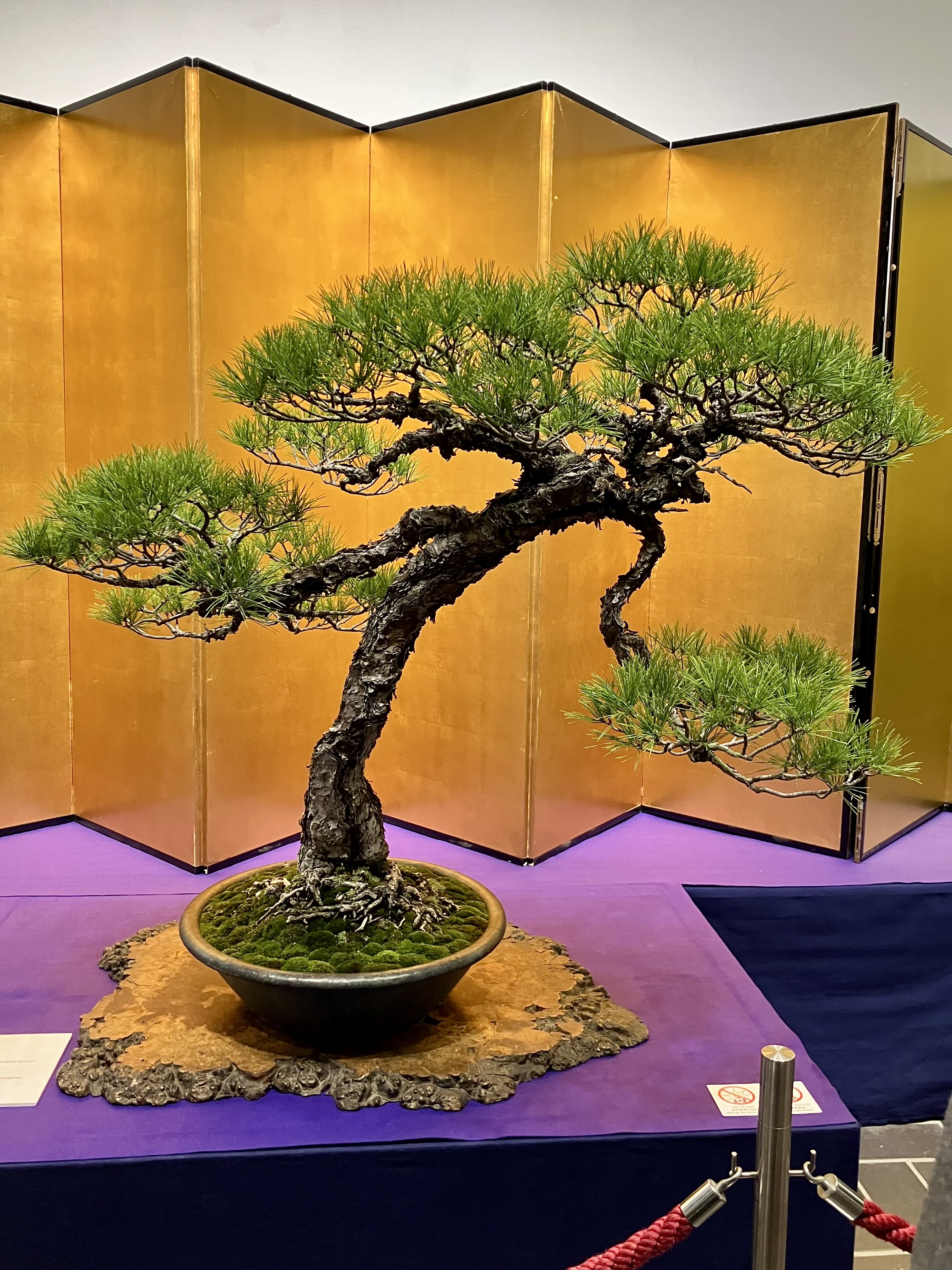
Red Pine from the Imperial Family. Notice the lack of conformity to modern bonsai expectations, particularly the lack of compaction.
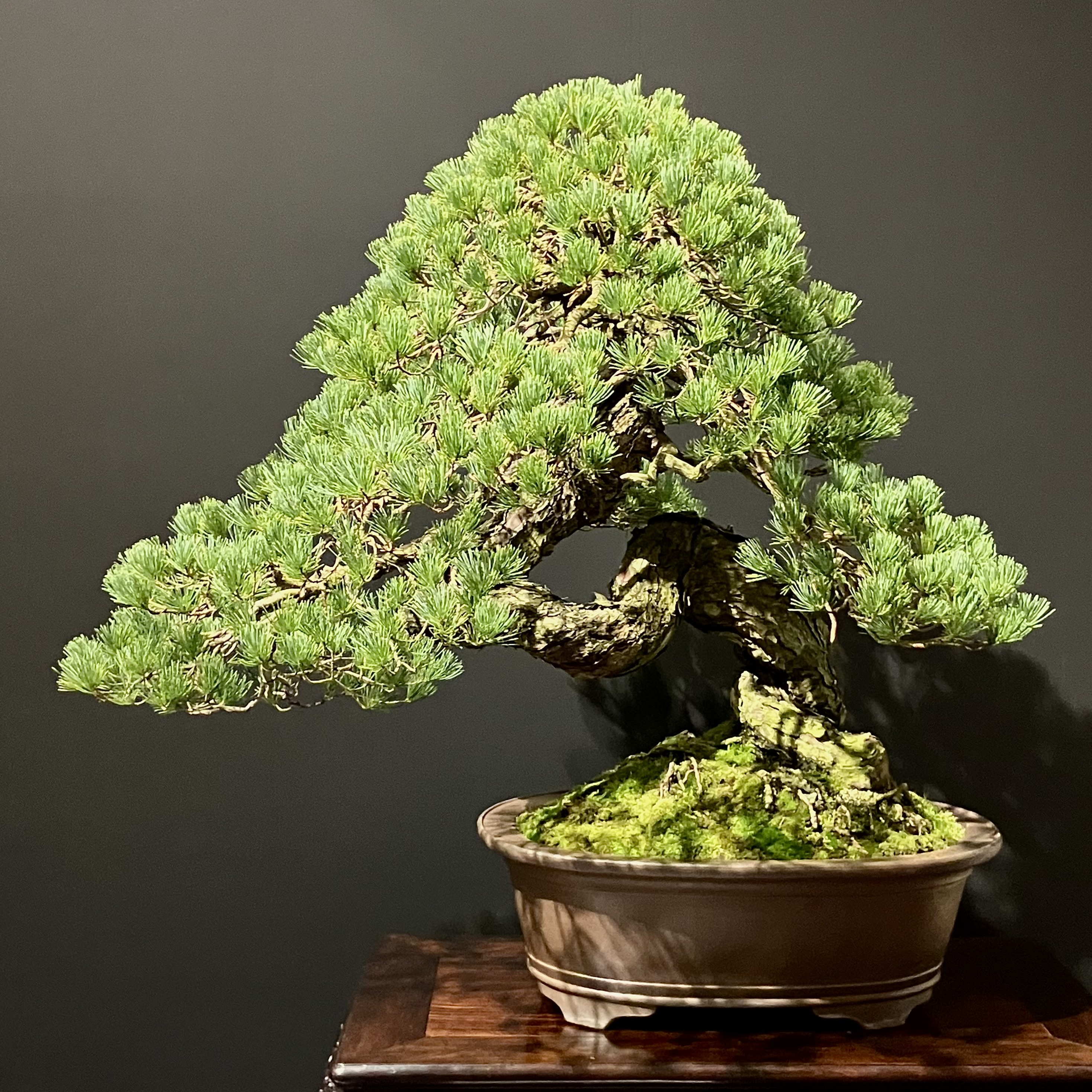
Japanese White Pine worked on by Mr. Shinji Suzuki. He was excited about this entry as it has a grand history…
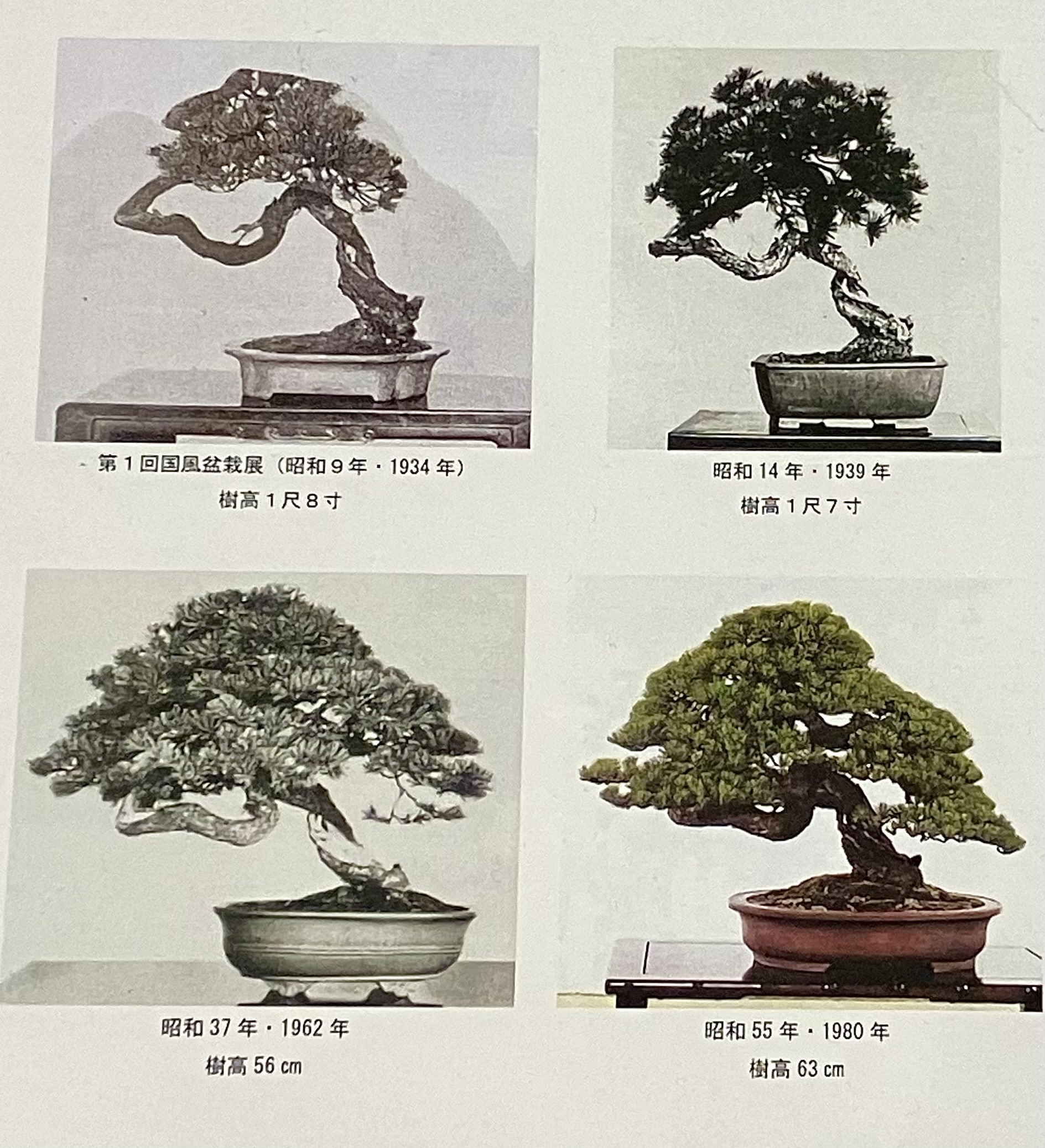
The White Pine was shown in the first Kokufu-ten in 1934. It’s a great addition to this 100th show (not year, they took two years off and some of the early years had double shows). The entry is a nod to the durability of the show and the trees in it.
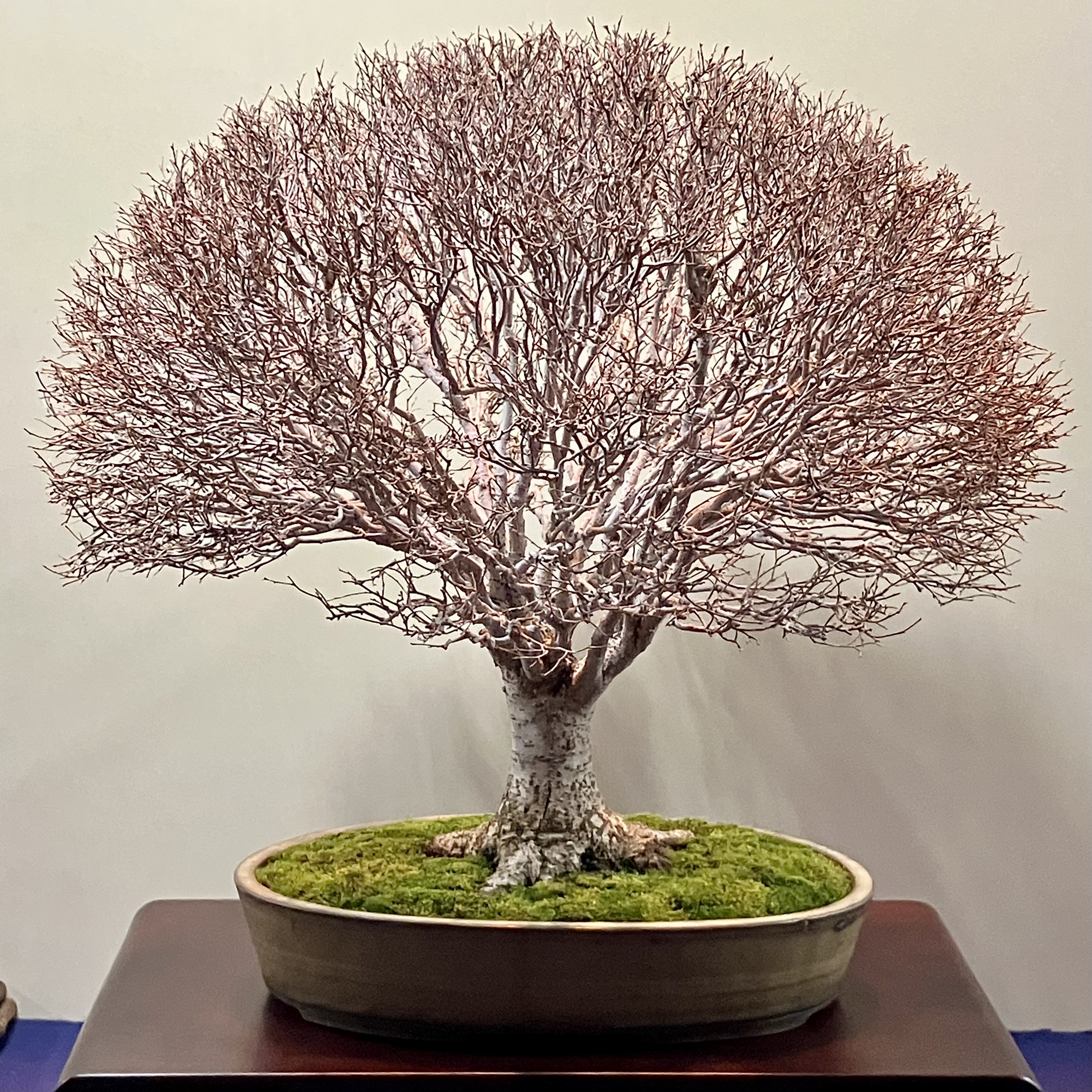
Zelkova.
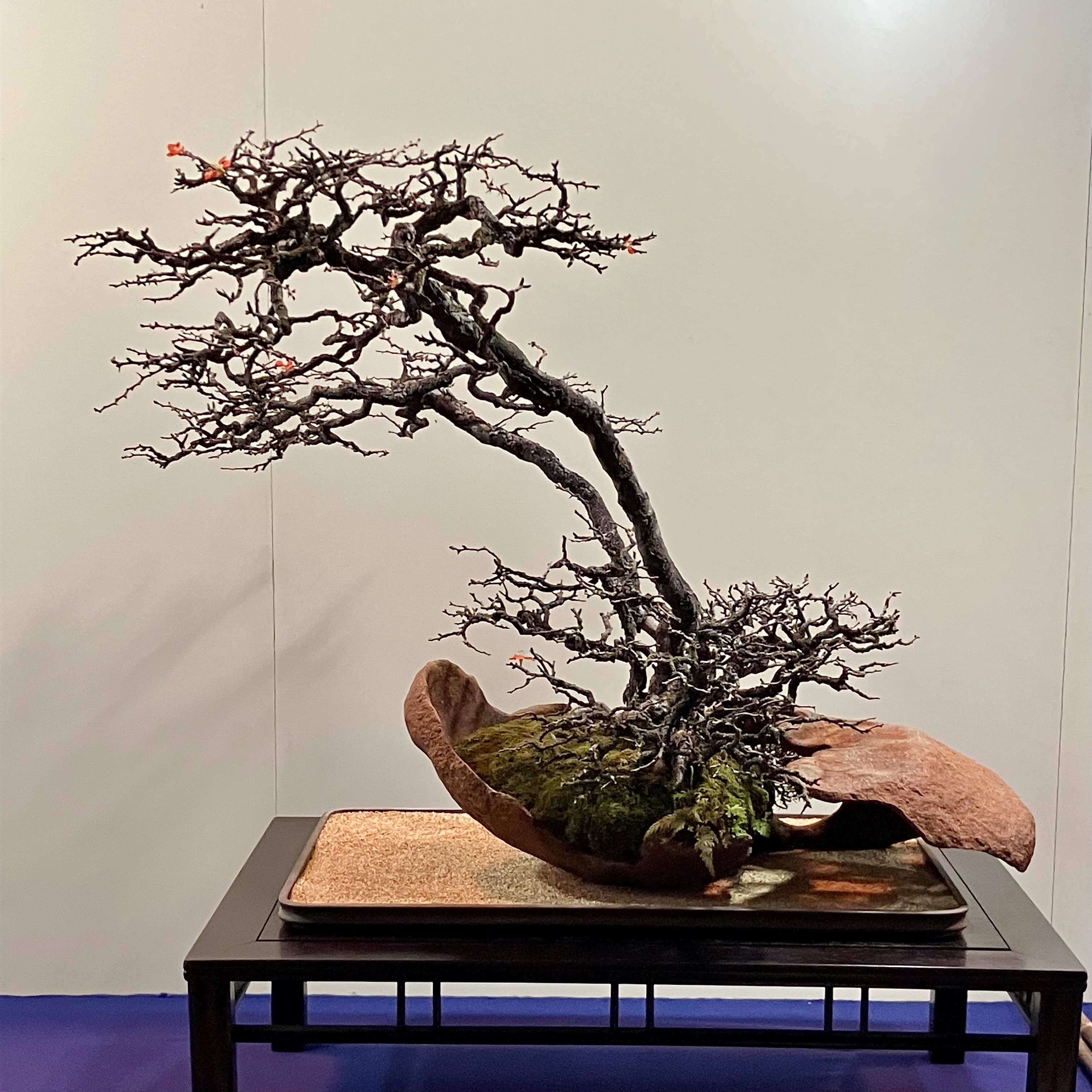
Dwarf Flowering Quince ‘Chojubai’.
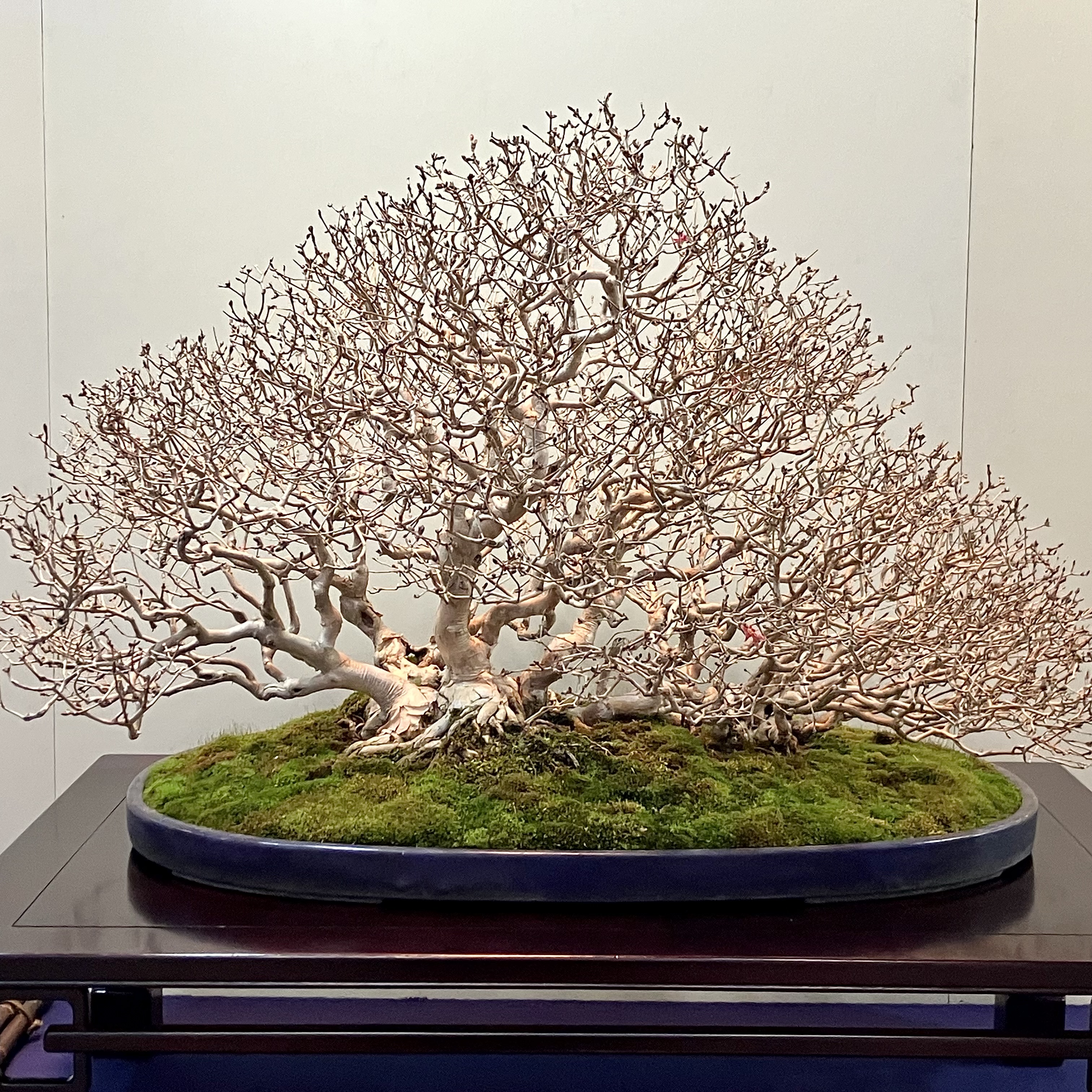
Honeysuckle.
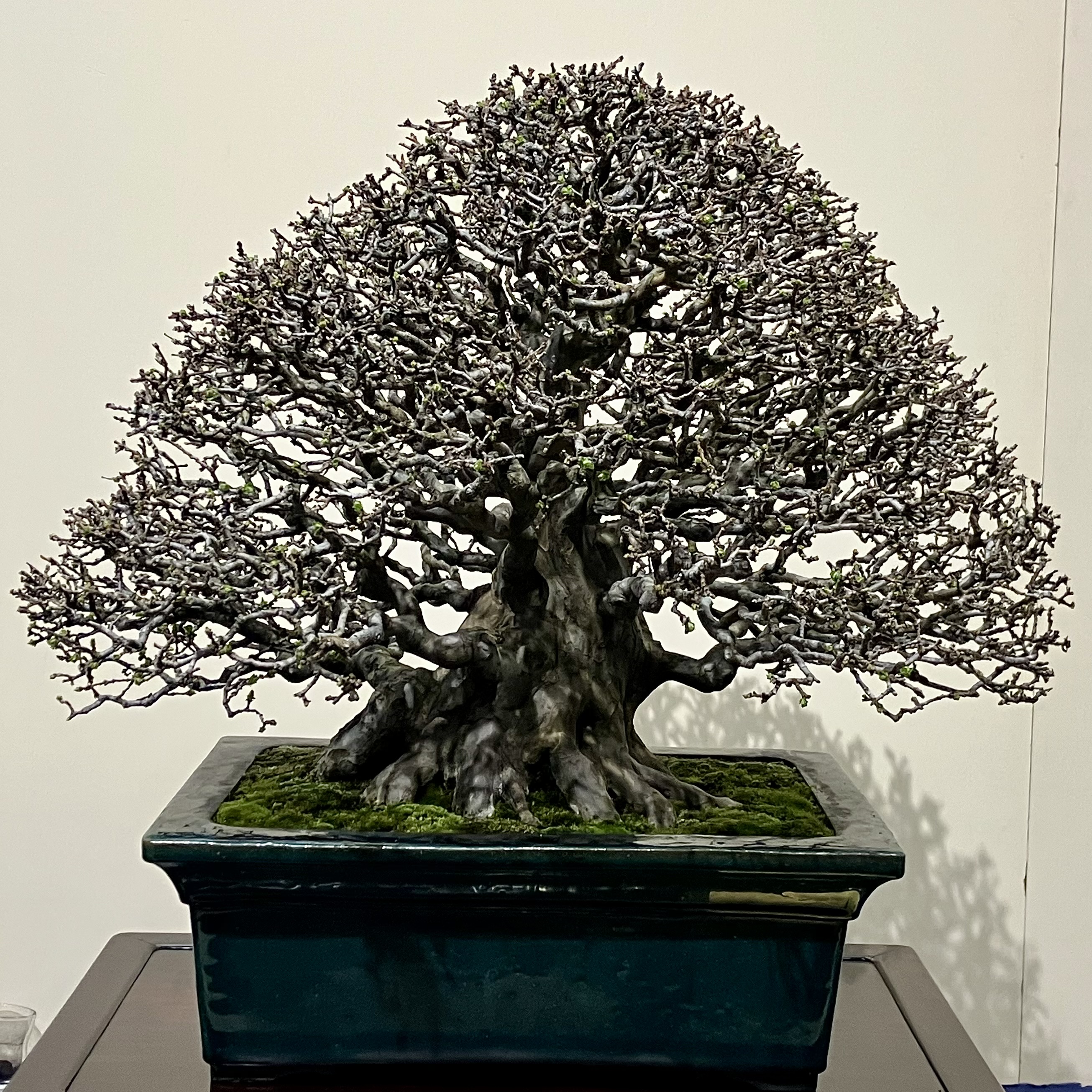
Chinese Quince. The intense ramification at this small scale is not easy.
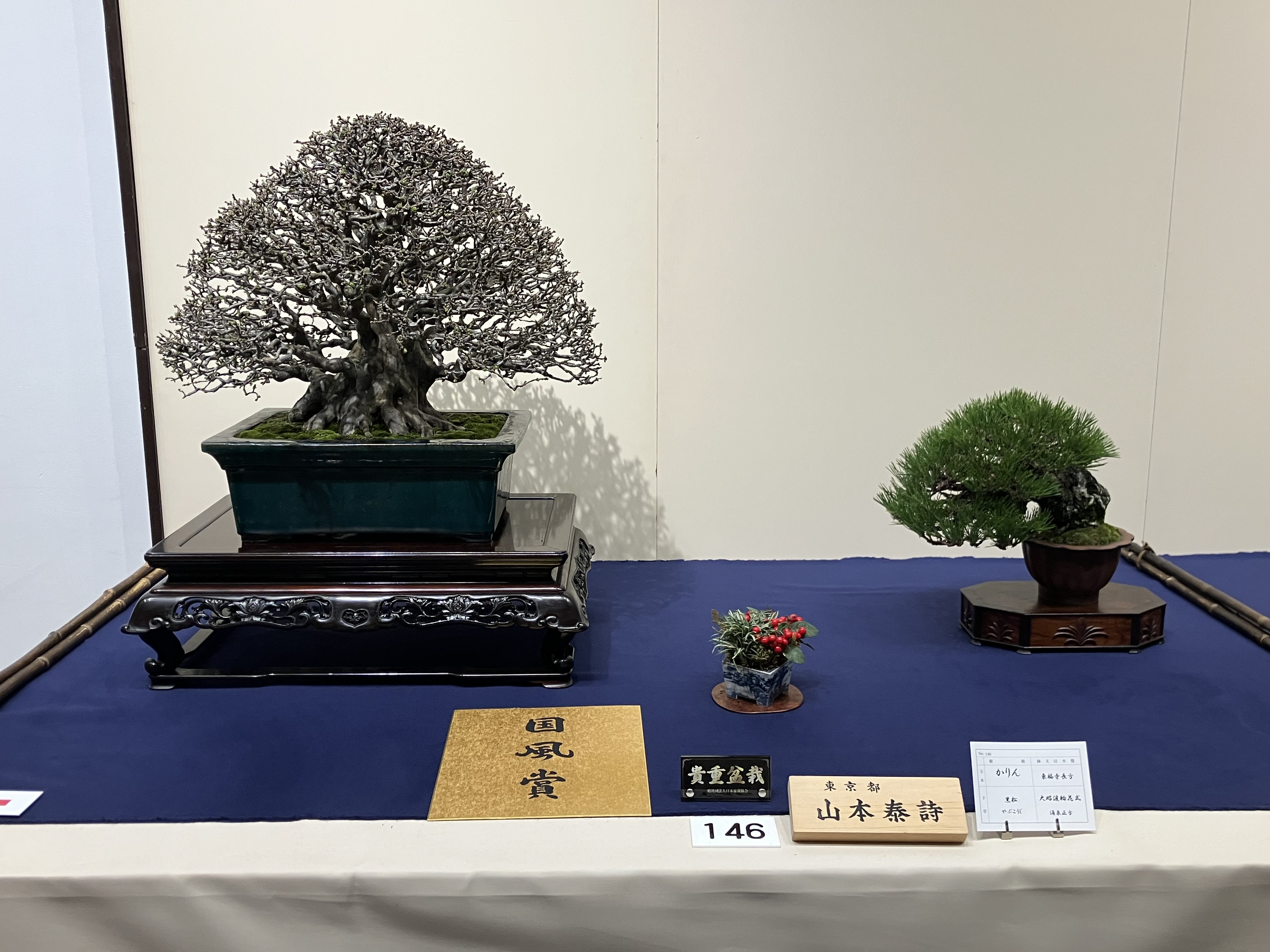
This medium sized display won a Kokufu Prize.
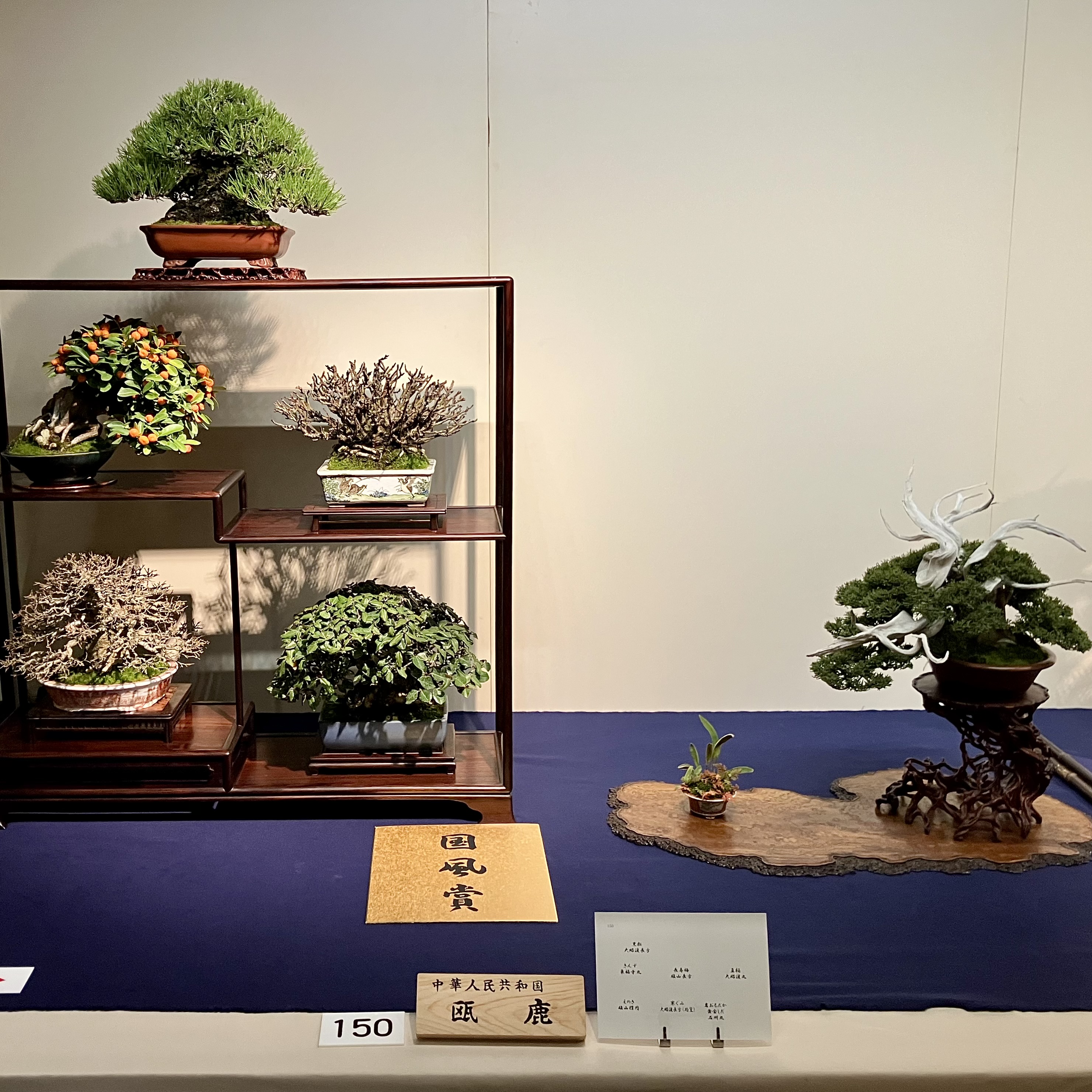
And the shohin displays notched a prize winner.
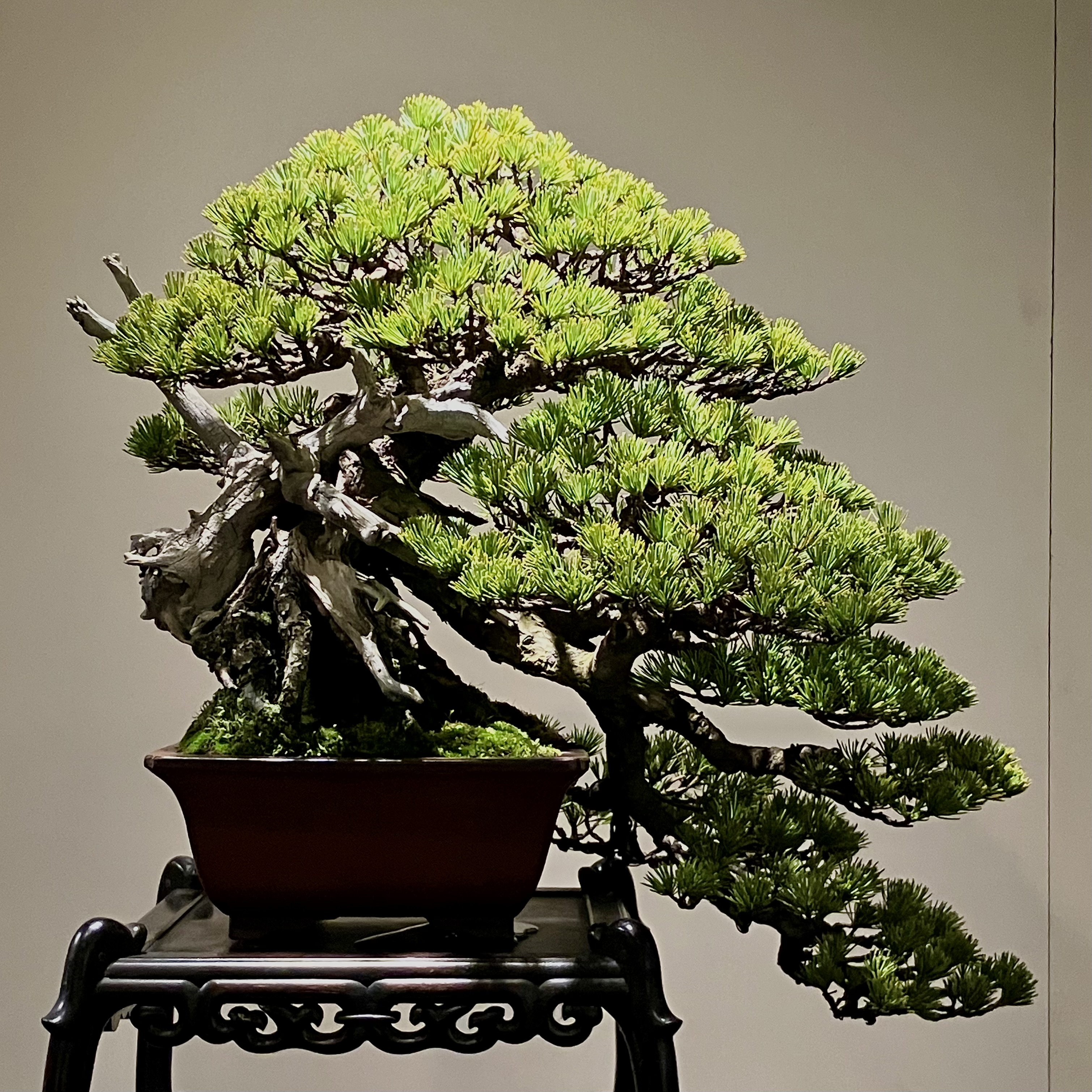
An unusual raised-root Japanese White Pine—the lowest branch falls away to the back.
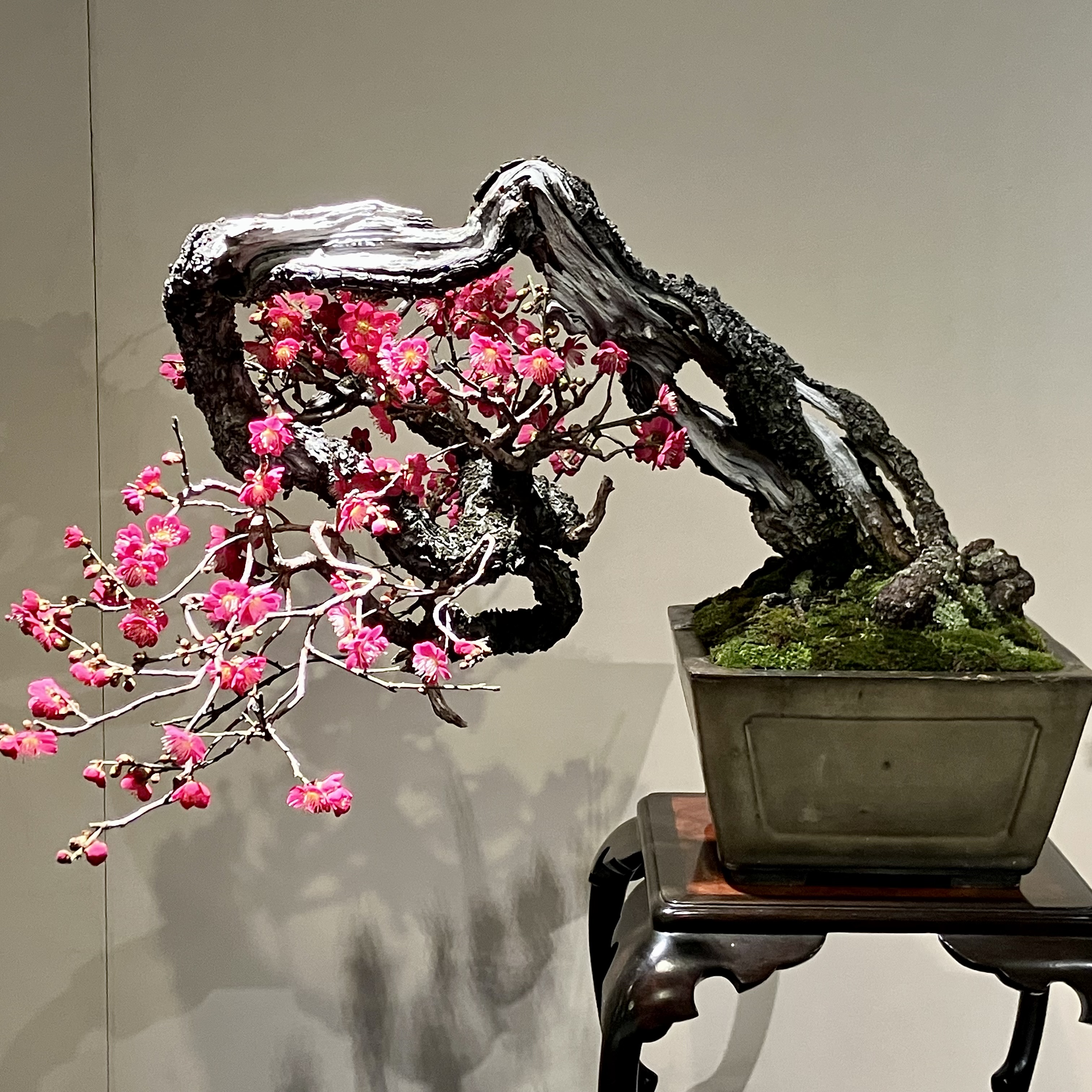
Ume.
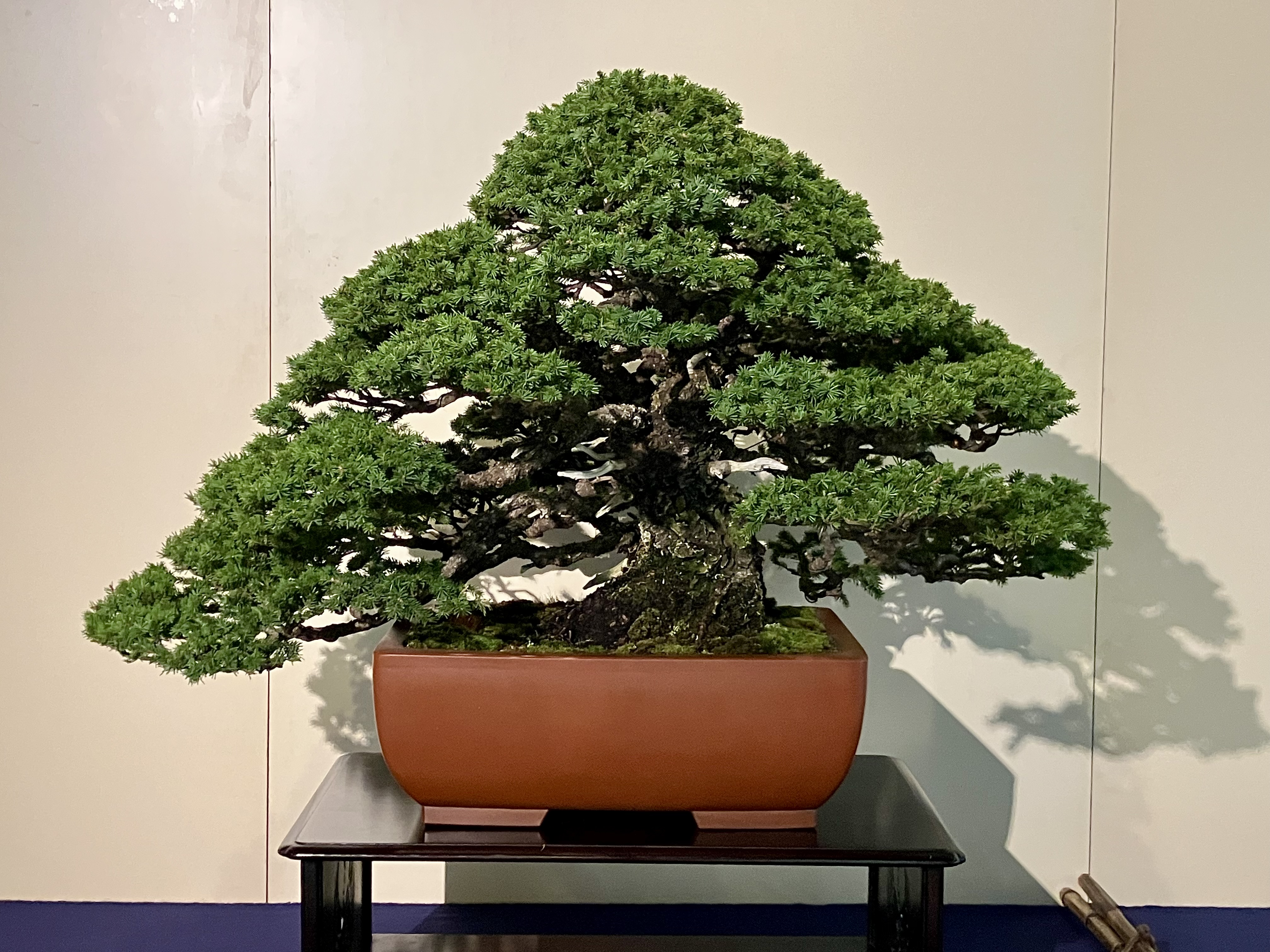 Ezo Spruce. Only a few spruce in this year’s show.
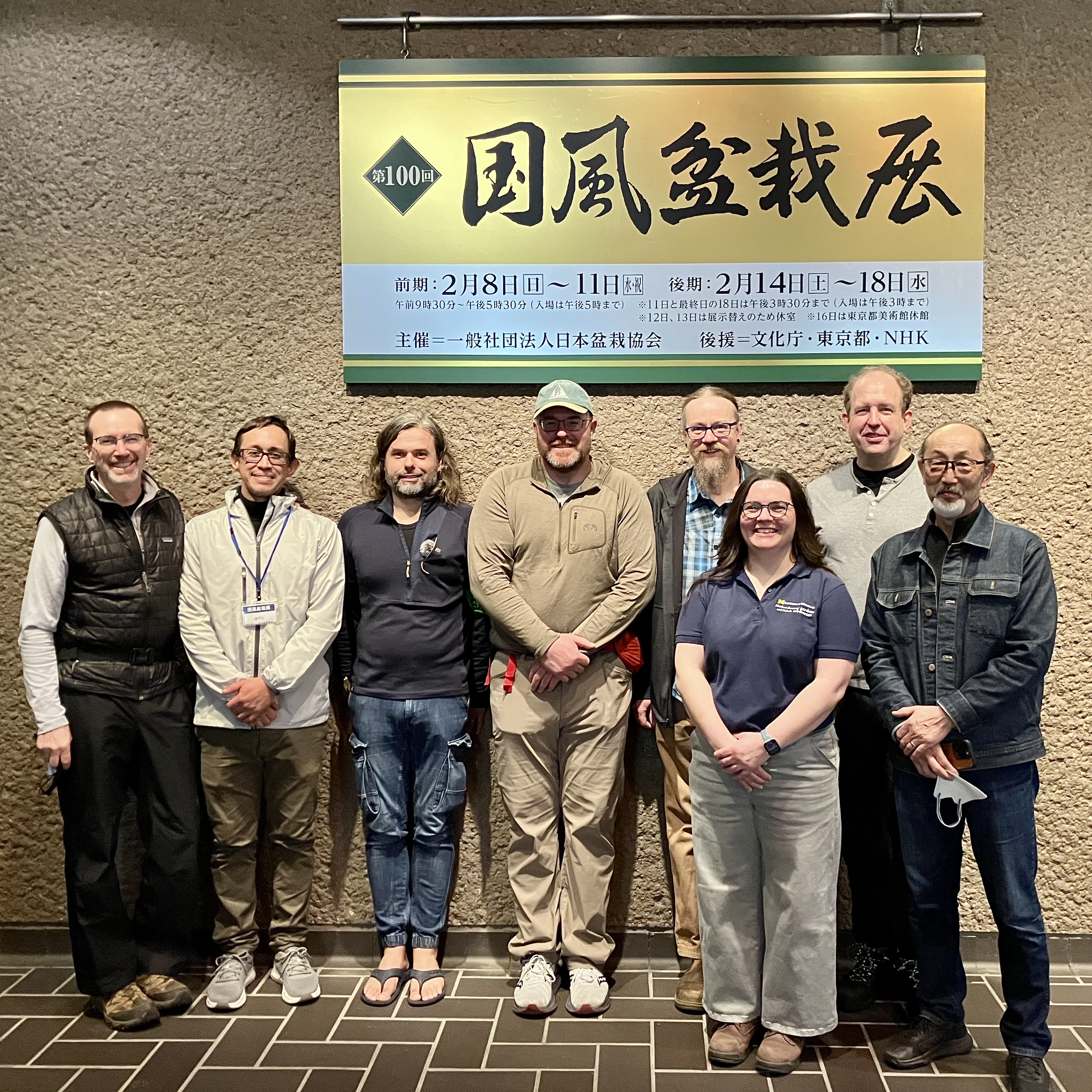
A gathering of global bonsai friends—left to right—myself, Juan Andrade, Mario Komsta, Peter Gregg, John Eads, Carmen Leskoviansky, Evan Cordes, and Masaki Shimada.
I’m back home already, but with spies abroad I hope to offer a photo reel of Part II—